

 PySilon 2026 Malware: Complete Technical Analysis of the Python-Based RAT Framework
Introduction to PySilon 2026 Malware
The cybersecurity landscape continues to evolve as attackers develop more advanced tools for remote system control and data exfiltration. One such emerging threat is PySilon 2026 Malware, a Python-based Remote Access Trojan (RAT) framework designed to provide attackers with deep access to compromised systems.
Table of Contents
You must be registered for see links
-
You must be registered for see links
-
You must be registered for see links
-
You must be registered for see links
-
You must be registered for see links
-
You must be registered for see links
-
-
-
You must be registered for see links
-
You must be registered for see links
-
You must be registered for see links
-
-
You must be registered for see links
-
You must be registered for see links
-
You must be registered for see links
-
-
-
You must be registered for see links
-
You must be registered for see links
-
-
You must be registered for see links
-
You must be registered for see links
-
-
You must be registered for see links
-
You must be registered for see links
-
-
You must be registered for see links
-
You must be registered for see links
-
-
-
You must be registered for see links
-
You must be registered for see links
-
You must be registered for see links
-
-
You must be registered for see links
-
You must be registered for see links
-
-
You must be registered for see links
-
You must be registered for see links
-
-
You must be registered for see links
Built using the Python programming language, PySilon 2026 demonstrates how malware developers can create flexible and customizable cyberattack tools capable of performing surveillance, data theft, and system manipulation.
Security researchers analyze frameworks like PySilon 2026 to better understand attacker techniques and develop stronger defensive strategies.
What is PySilon Malware?
Overview
PySilon 2026 Malware is a modular Remote Access Trojan (RAT) designed to allow attackers to control infected systems remotely through a command-and-control infrastructure.
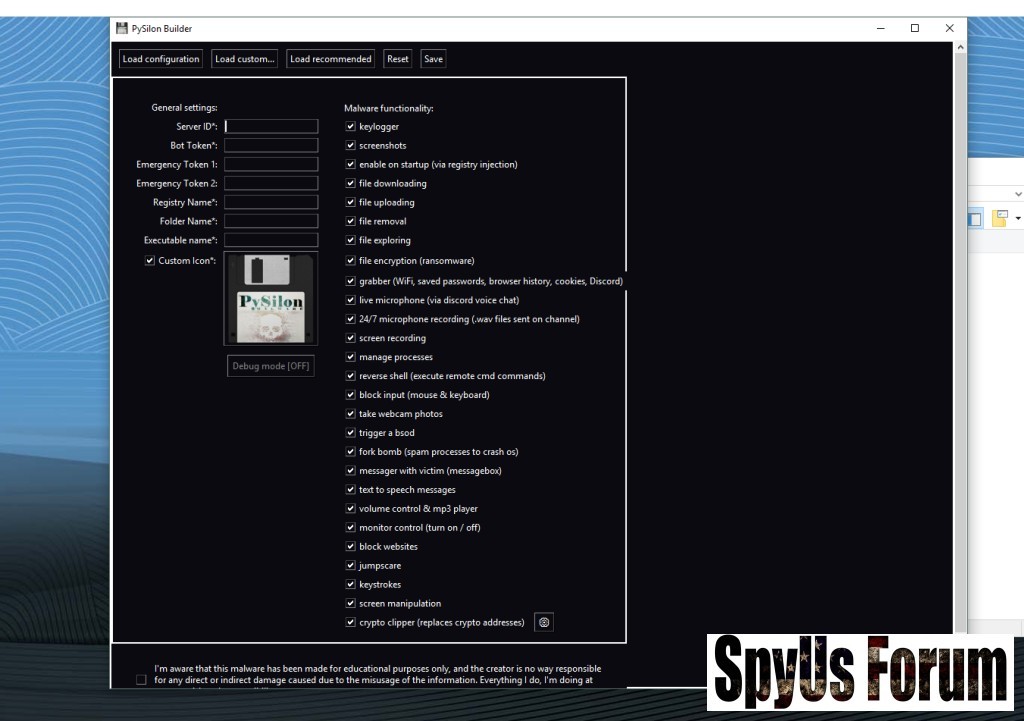 Once the malware infects a device, it can perform multiple malicious activities such as collecting sensitive information, monitoring user activity, and executing remote commands.
Core Characteristics
- Developed using the Python programming language
- Primarily targets Windows-based systems
- Modular architecture for customizable features
- Remote command and control capabilities
- Multiple surveillance and data exfiltration modules
How PySilon RAT Works
Infection Process
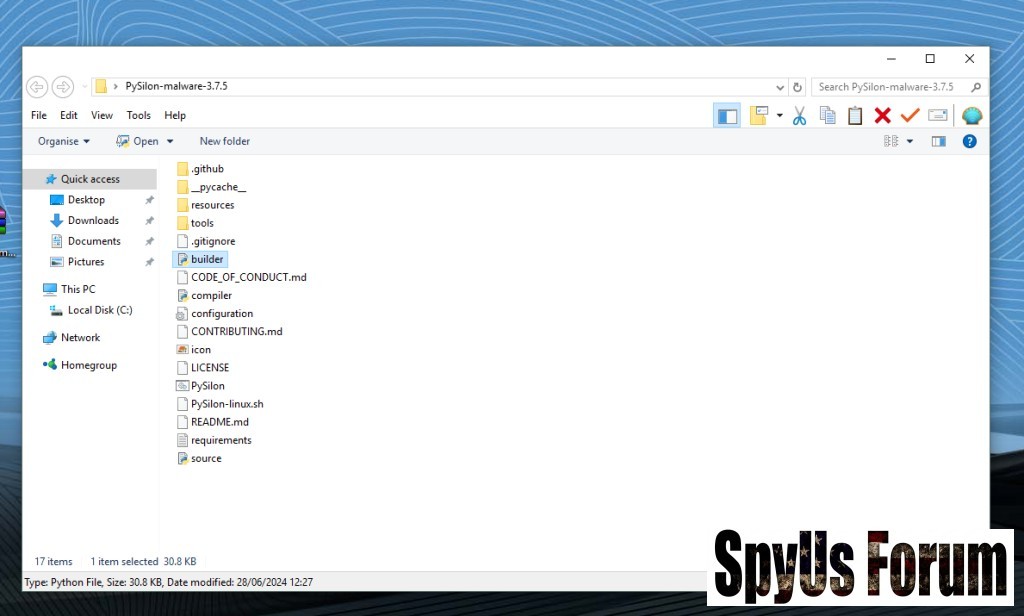
Like many modern Remote Access Trojans, PySilon 2026 follows a structured infection chain that allows attackers to gain persistent control over a victim’s machine.
 Typical Infection Workflow
A victim downloads a malicious file disguised as legitimate .
The file executes and installs PySilon 2026 on the system.
The malware establishes communication with a remote command server.
System information is automatically transmitted to the attacker.
The attacker gains remote access and begins controlling the device.
After successful infection, attackers can operate the victim’s system remotely without the user’s knowledge.
Key Features of PySilon Malware
PySilon 2026 includes a variety of advanced modules designed to perform surveillance, data theft, and remote administration.
Remote System Control
One of the primary functions of PySilon 2026 is enabling attackers to control an infected remotely.
Remote Control Capabilities
- Browsing and managing system files
- Executing commands remotely
- Monitoring system processes
- Taking screenshots of the desktop
Keylogging and Credential Theft
PySilon 2026 also contains modules designed to capture confidential user information.
Data That May Be Stolen
- Stored browser passwords
- Login cookies and authentication tokens
- Cryptocurrency wallet information
- Clipboard content containing copied data
Surveillance and Monitoring
The malware framework includes covert monitoring capabilities.
Monitoring Features
- Webcam access
- Microphone recording
- Real-time screen monitoring
Anti-Analysis Techniques
To avoid detection by cybersecurity tools, PySilon 2026 uses several evasion techniques.
Evasion Methods
- Virtual machine detection
- Sandbox environment avoidance
- Process hiding techniques
- Self-deletion functionality
System Manipulation Functions
PySilon 2026 can also disrupt normal system operations.
System Disruption Capabilities
- Triggering system crashes
- Creating CPU overload processes
- Blocking specific websites
- Displaying malicious visual effects
Command and Control Communication
A notable characteristic of PySilon 2026 is its ability to communicate with attackers through remote command channels.
Once installed:
- The malware connects to the attacker’s command infrastructure
- System information is transmitted automatically
- Attackers send commands to the infected machine remotely
Why PySilon 2026 Malware is Dangerous
PySilon 2026 represents a serious cybersecurity threat because it provides attackers with extensive control over infected systems.
Major Security Risks
- Complete remote system access
- Theft of sensitive credentials
- Unauthorized surveillance
- System disruption and sabotage
- Advanced evasion of security tools
How to Protect Yourself from PySilon 2026 Malware
To reduce the risk of infection, users and organizations should follow strong cybersecurity practices.
Recommended Security Measures
Install trusted or endpoint protection software
Avoid downloading software from unverified sources
Keep operating systems and applications updated
Do not open suspicious email attachments
Monitor unusual system behavior or network activity
Practicing cybersecurity awareness significantly reduces the risk of malware infections.
Importance of Studying Malware Frameworks
Although tools like PySilon 2026 can be abused by attackers, analyzing them is critical for cybersecurity research.
Benefits of Malware Analysis
- Understanding cyberattack techniques
- Improving malware detection systems
- Strengthening security defenses
- Training cybersecurity professionals
Download PySilon 2026
Conclusion
PySilon 2026 Malware is a powerful Python-based Remote Access Trojan that demonstrates how flexible and dangerous modern malware frameworks can be.
Its modular design, remote control capabilities, and surveillance functions make it a significant cybersecurity concern.
For security professionals, understanding tools like PySilon 2026 is essential for developing stronger defenses and preventing cyber attacks.



